
NDT Inspection
SlimDril International provide non-destructive testing (NDT) inspection services to support the HDD, oil & gas, construction, engineering, energy, and utilities sectors. Our NDT services are delivered by experienced inspectors and are available on-site or at our testing facility, depending on client requirements.
SlimDril’s NDT inspection services focus on identifying surface and near-surface defects that could compromise safety, performance, or asset life—without damaging the component being tested.
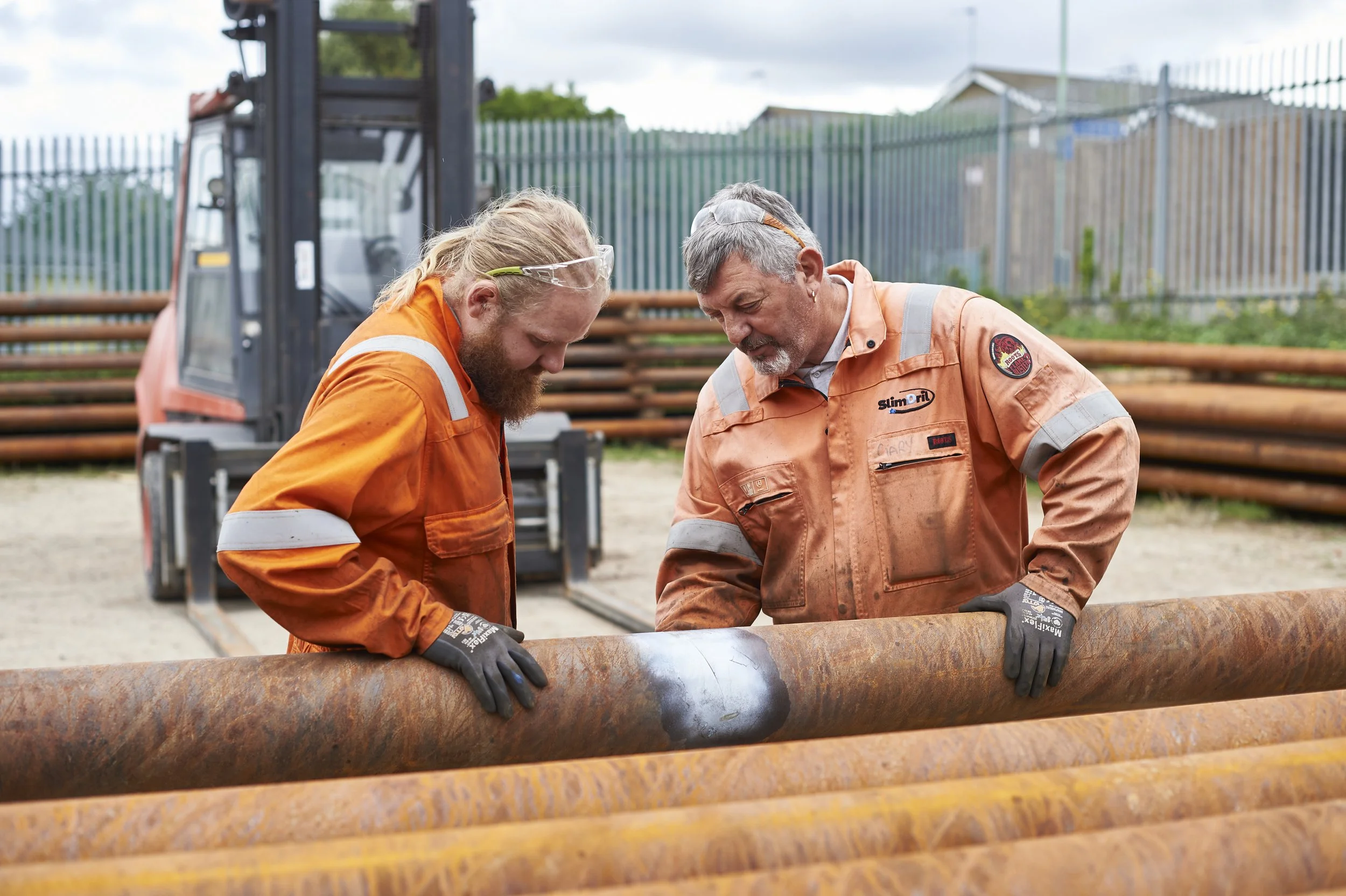
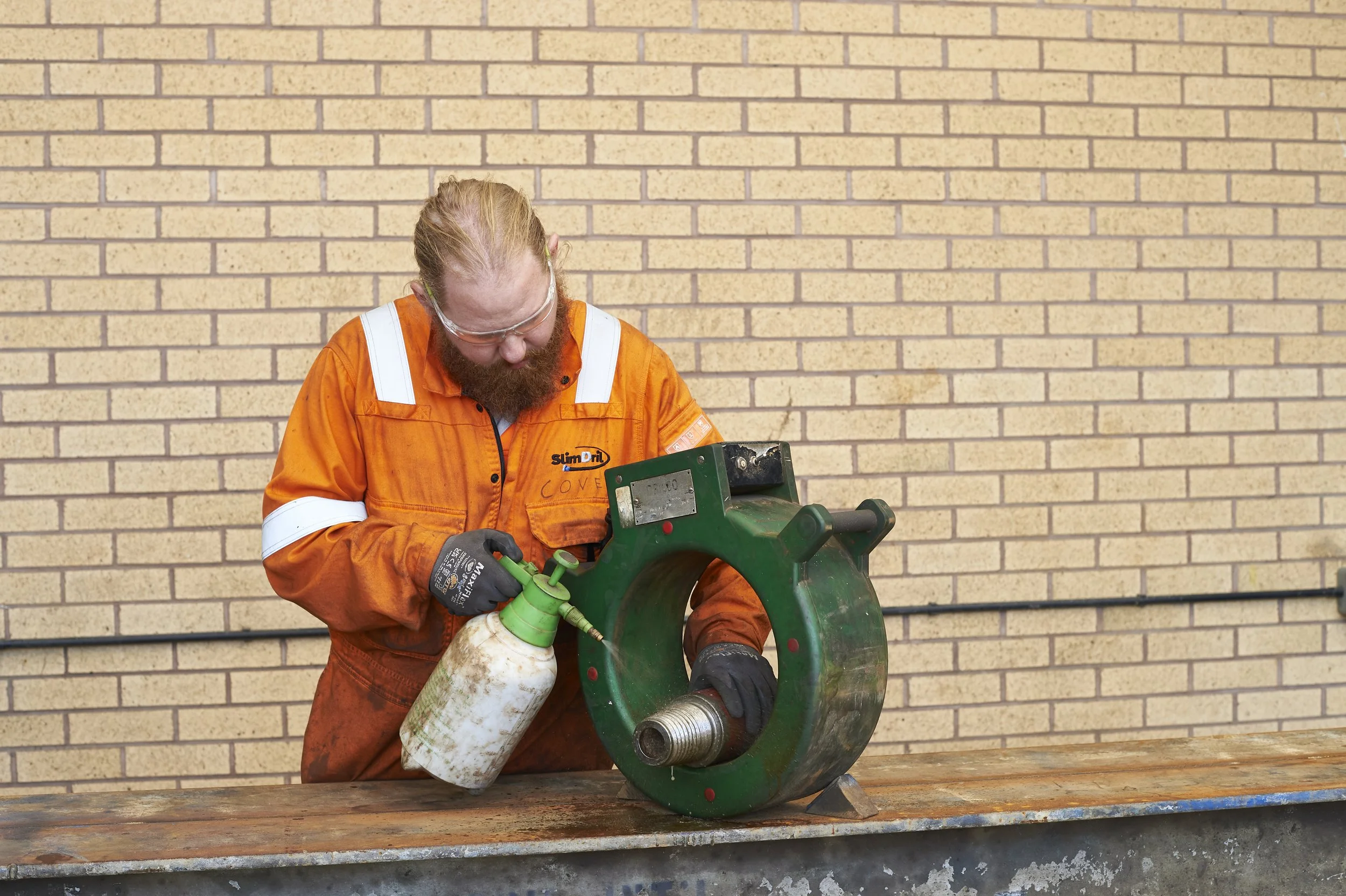
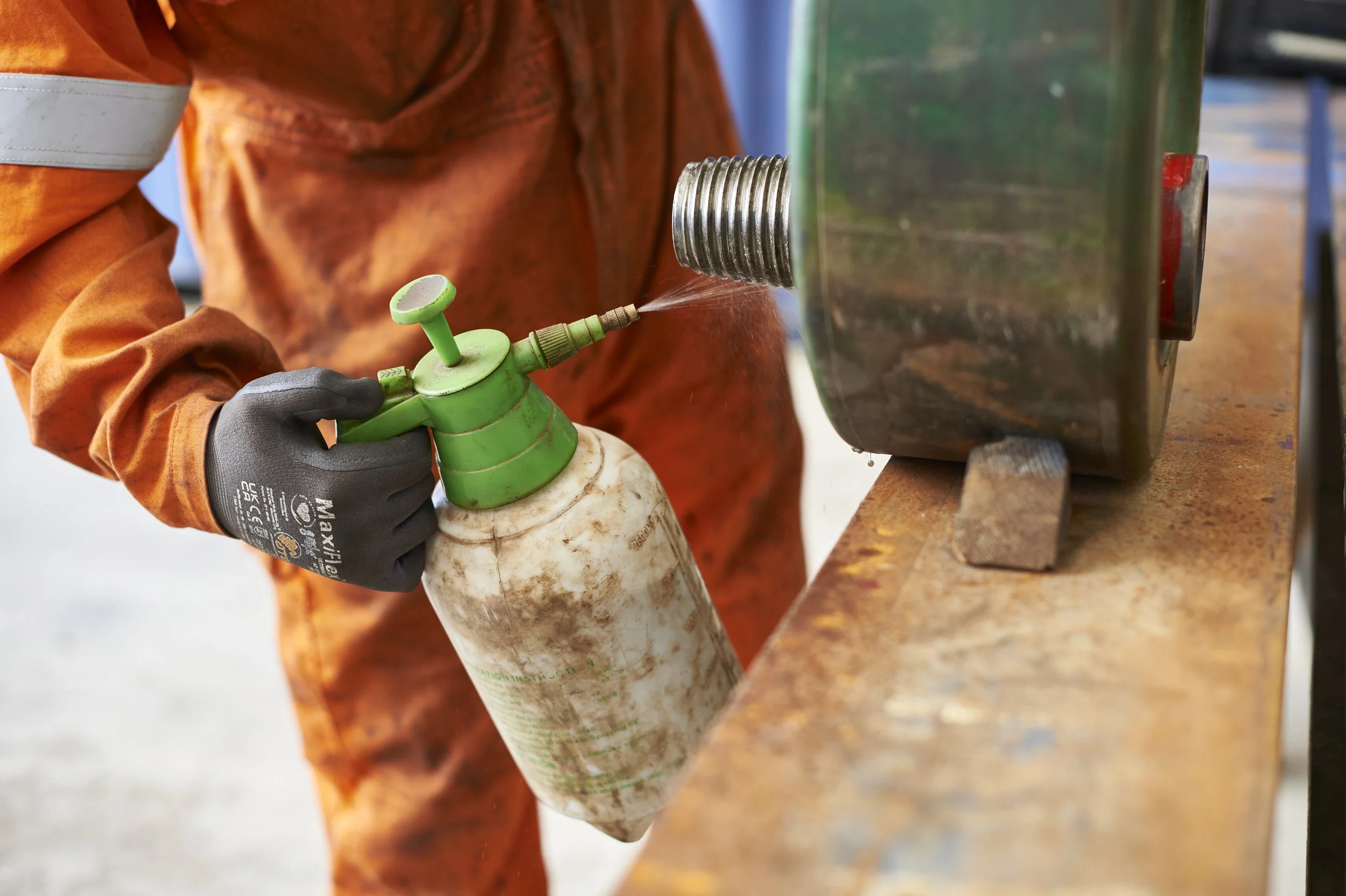
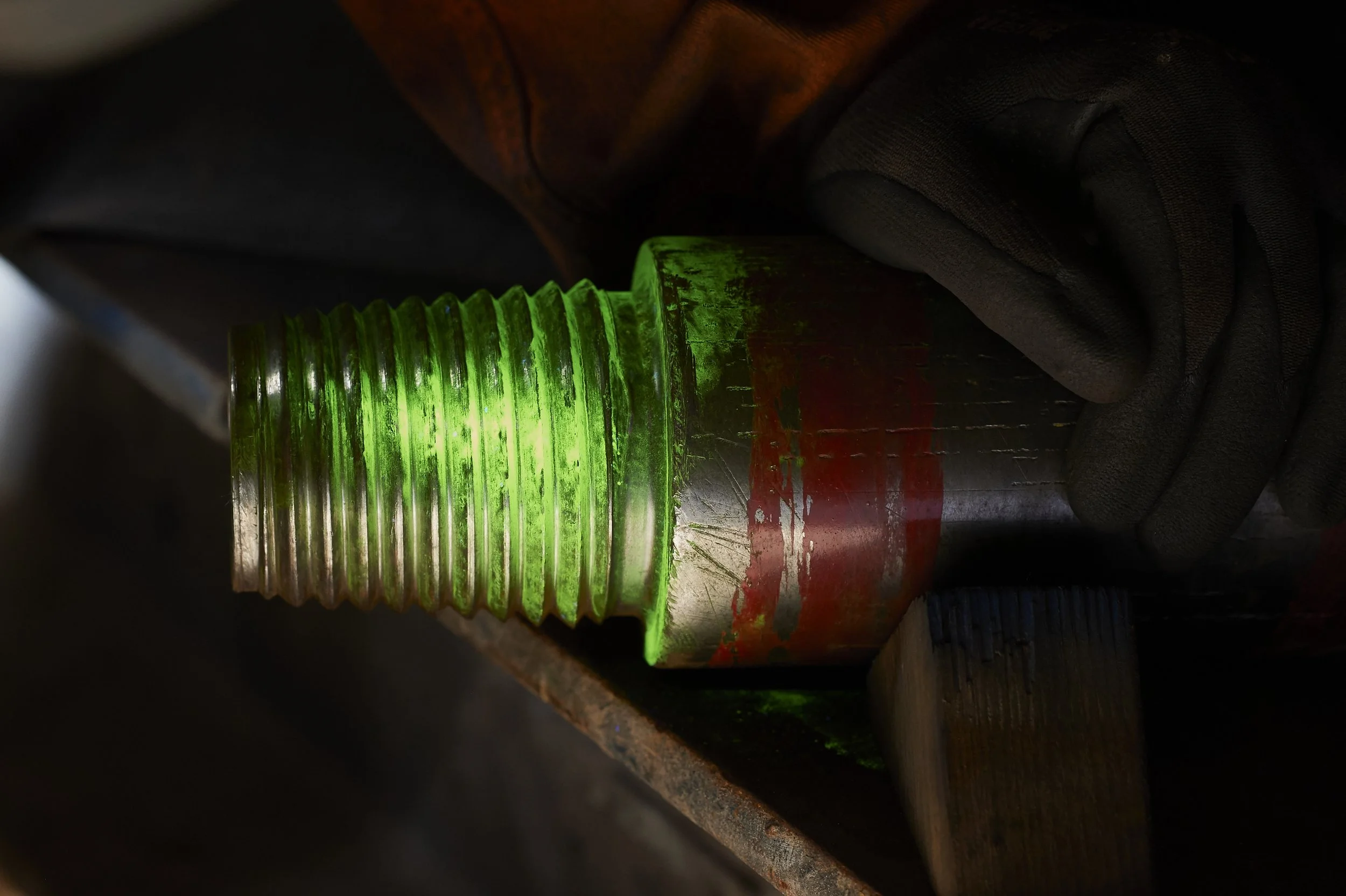
Dye Penetrant Inspection (DPI)
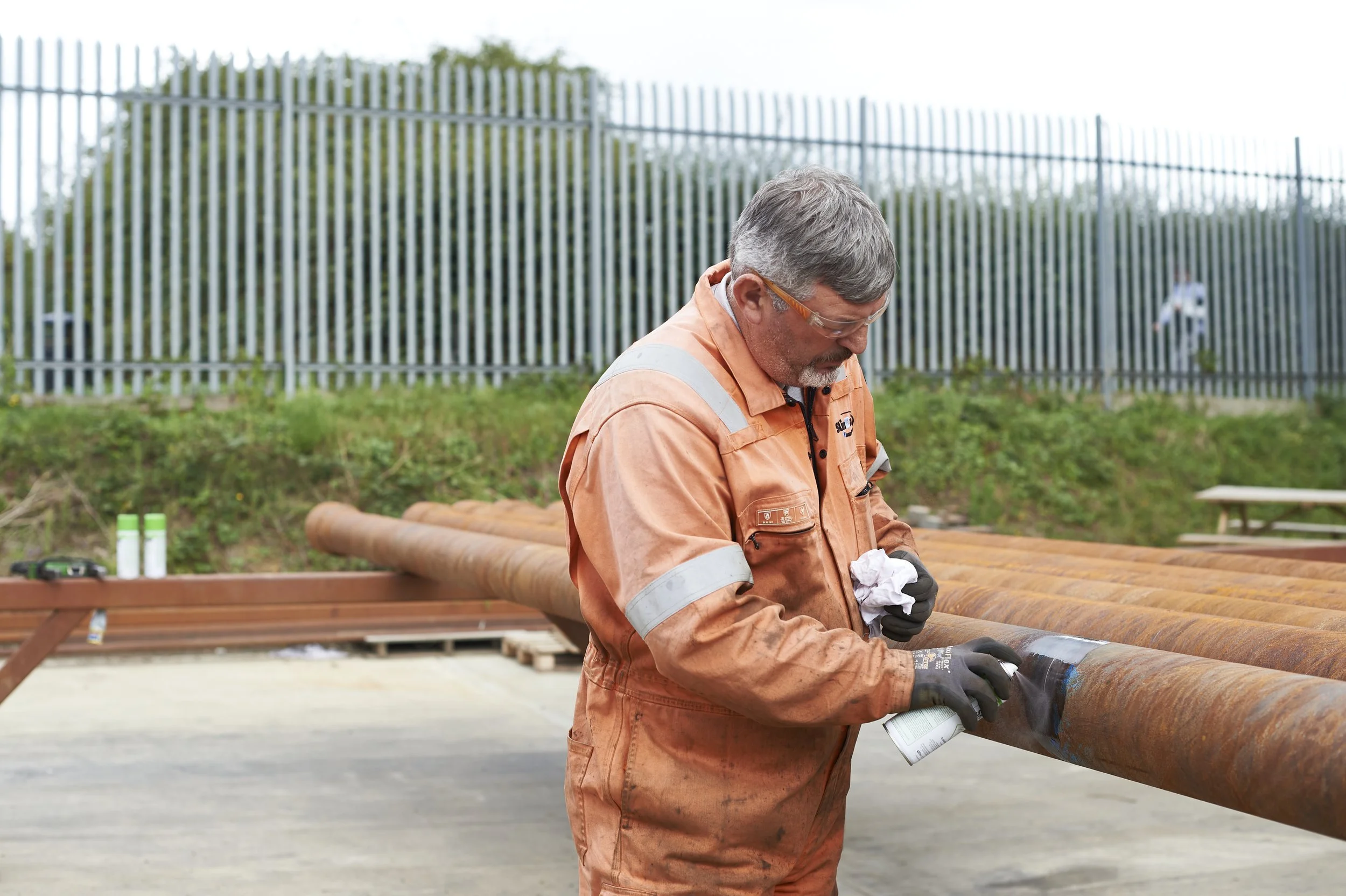
Dye Penetrant Testing, also known as Liquid Penetrant Inspection (LPI) or Fluorescent Penetrant Inspection (FPI), is a non-destructive method used to reveal surface-breaking defects in non-porous materials.
This inspection method can be applied to:
- Ferrous and non-ferrous metals
- Plastics
- Ceramics
It is particularly effective for identifying cracks and surface discontinuities regardless of component size.
How it Works
The process relies on capillary action, where a liquid penetrant is drawn into surface-breaking flaws.
1. The component is thoroughly cleaned
2. A visible or fluorescent penetrant is applied (spray, brush, dip, or immersion)
3. During dwell time, the penetrant enters surface defects
4. Excess penetrant is removed and the surface dried
5. A developer is applied, drawing penetrant back out of defects
6. The component is inspected using white light or ultraviolet light
Any defects appear as visible indications ready for evaluation and reporting.
Features & Benefits
- Instant, visible results
- Cost-effective inspection method
- Highly portable and suitable for on-site inspection
- Water or solvent-removable systems available
Typical Applications
Dye Penetrant Inspection is commonly used on:
- Forged components
- Welds and weld repairs
- Castings
- Components prone to surface cracking
Dye penetrant weld inspection is a regularly requested service and is widely used where surface flaw detection is critical.
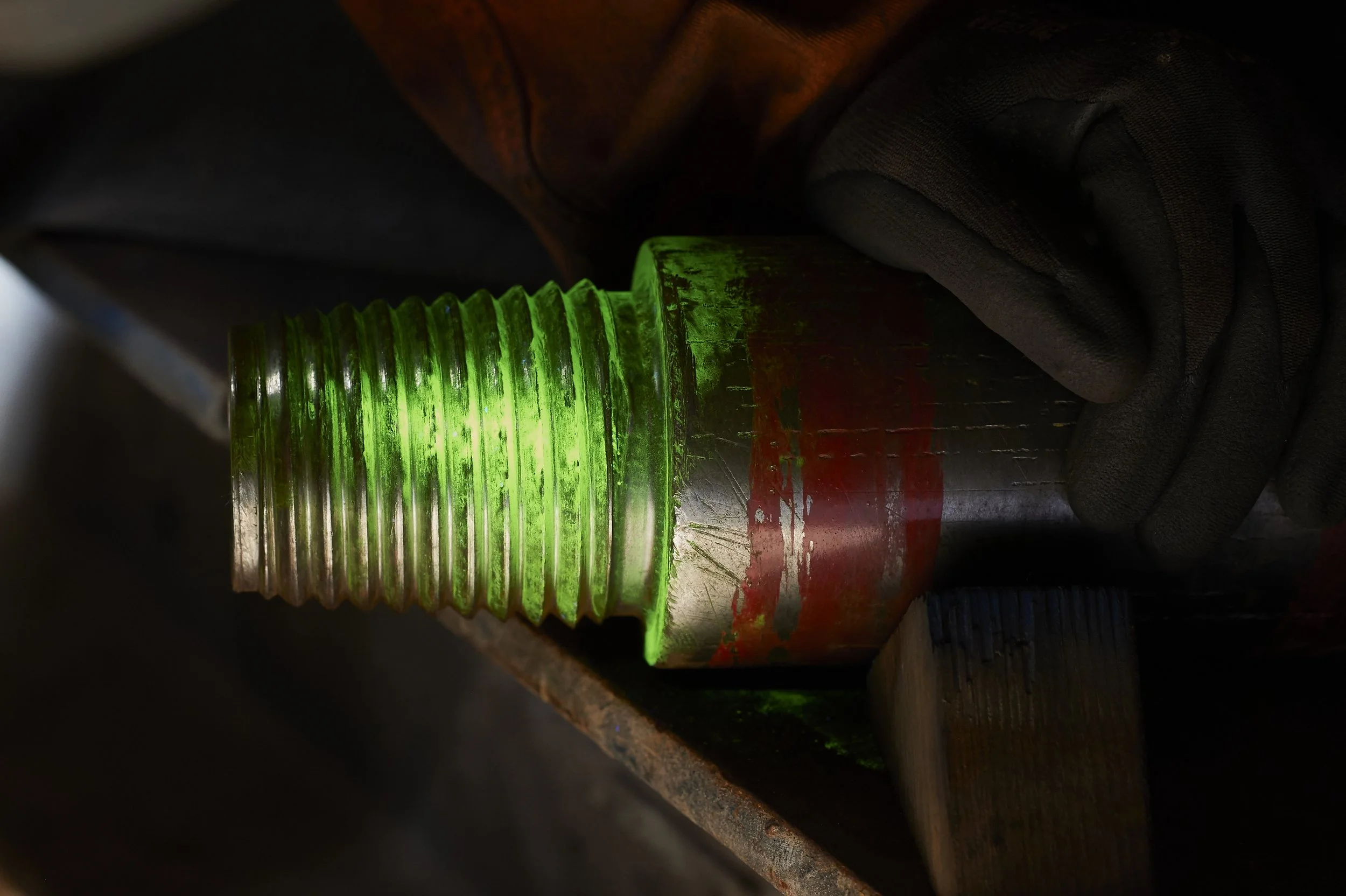
Magnetic Particle Inspection (MPI)
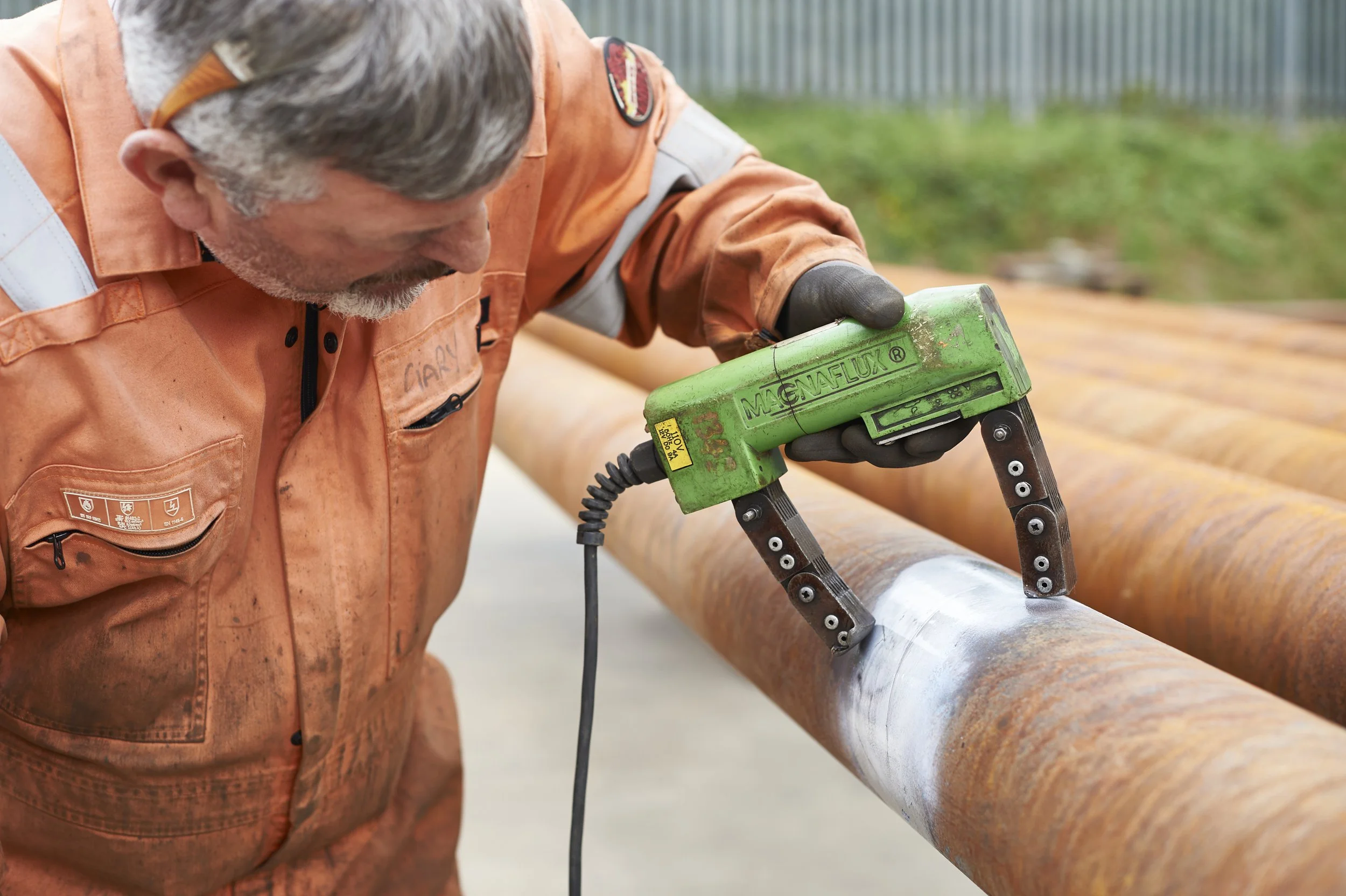
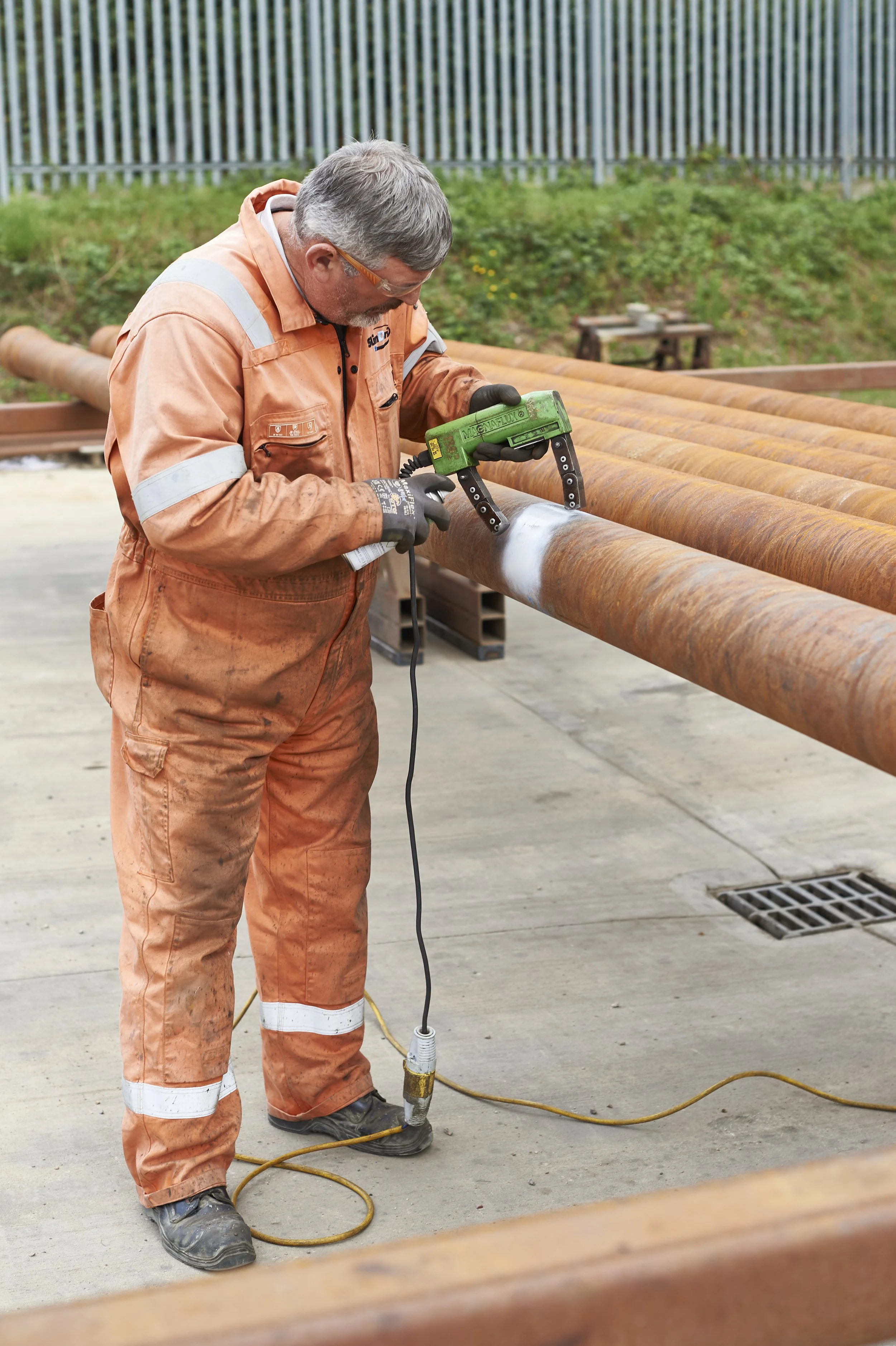
Magnetic Particle Inspection, also known as Crack Testing, is a non-destructive testing method used to detect surface and near-surface defects in ferromagnetic materials such as steel and iron.
MPI is widely used across industries due to its speed, reliability, and ability to immediately highlight defects.
How it Works
The component is magnetised, either locally or fully
1. A magnetic field is induced through the material
2. Surface or near-surface defects disrupt the magnetic flux
3. Magnetic flux leakage occurs at the defect location
4. Fine magnetic particles are applied to the surface
5. Particles gather at flux leakage points, forming visible indications
Indications are evaluated by the inspector to determine defect severity and recommended actions.
SlimDril provide:
- White colour contrast MPI (ideal for daylight and site work)
- Ultraviolet MPI for enhanced defect visibility
Features & Benefits
- Instant indication of surface and near-surface defects
- Cost-effective and reliable inspection method
- Suitable for on-site inspection
- Proven technique across multiple industries
Typical Applications
Magnetic Particle Inspection is commonly used on:
- Drill pipe and tubulars
- Castings and forgings
- Weldments
- Engine, suspension, and braking components
It is particularly effective for detecting cracks, laps, seams, and inclusions in steel components.
Sectors Supported
Oil & Gas
HDD & Utilities
Construction & Engineering
Energy
Automotive & Aerospace
Downloadables


Contact Us.
Do you have a question? We will be happy to help.
Find Us.
UK
Units 6 & 7 Leyland Court Lowestoft Suffolk NR32 2EP UK
Phone
+44 (0) 1493 656145
enquiries@slimdril.com

Download our app
Use our selection of calculators and PDF documents to support our products and your HDD operations